Punam Phuyal
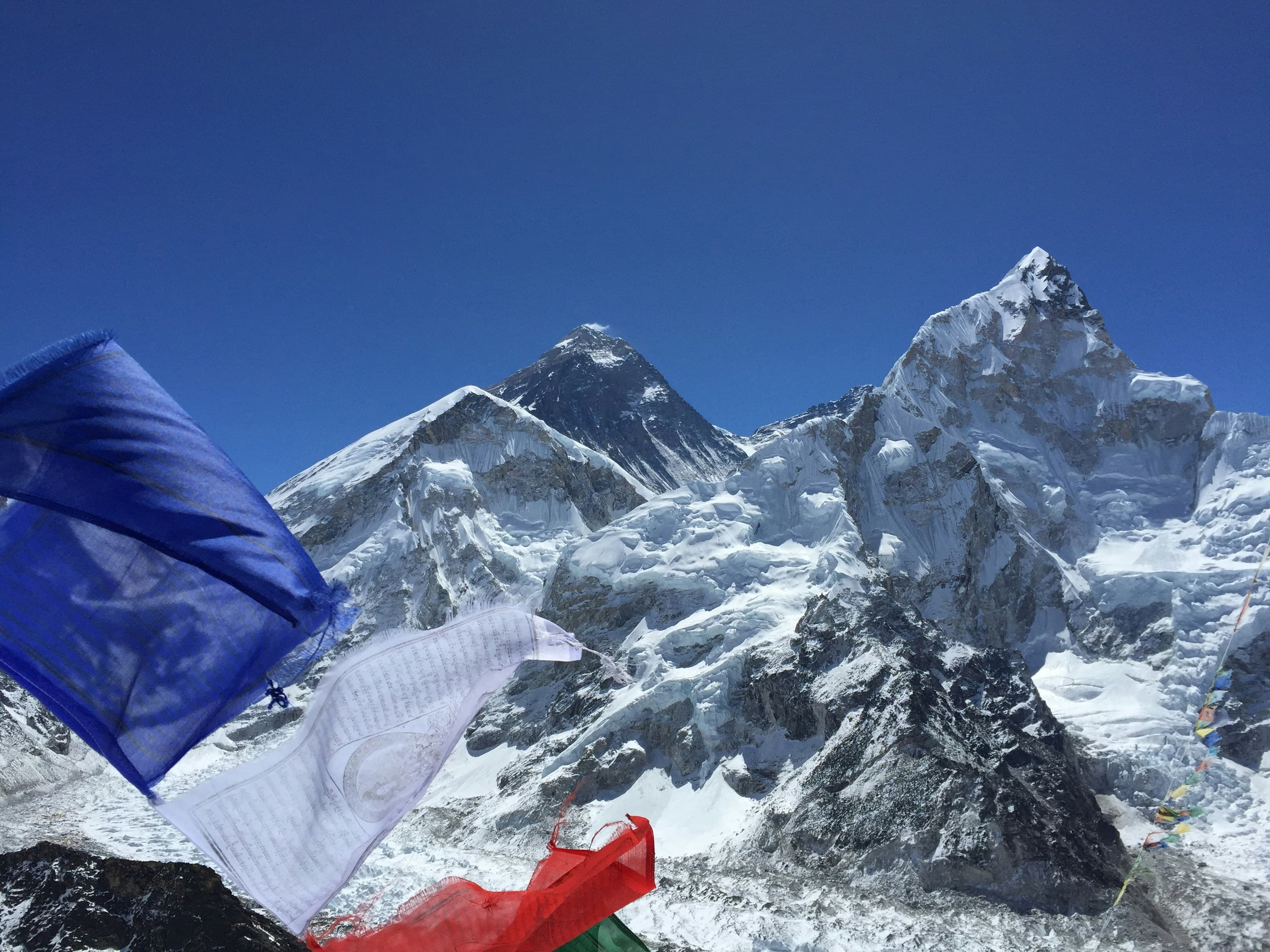

Mount Everest has its expedition history from 20th century. The first effort to summit was done by British Mount Everest reconnaissance expedition from North side in 1921 AD. The team failed to summit followed in 1922 and 1924. George Mallory (1886 – 1924), the only common person in all three expedition, discover the route to summit. He and his partner Andrew Irvine (1902 – 1924) lost their life before ascending the summit.
Everest expedition dates from 1920s (British Mount Everest Expedition team) to date. The 106 years history has days and nights. Many climbers rest in Everest and never returned back, even their body vanished under the snow or deep crevasses. The rainbow valley at 8400 m above sea is death zone where the colorful bodies are resting forever. Many climbers faced critical situation and loss their life during the journey to Mount Everest summit, 8848.86 masl.
The effort to summit Everest continues only from northside until 1949 AD. The expedition from southern slope begins after the government of Nepal opened the route for foreigners in 1950 AD. The first successful attempt to summit occurs in 1953 AD by Sir Edmund Hillary and Tenzing Norgay Sherpa. After then four climbers (Ernst Schmied, Jurg Marmet, Dolf Reist and Hansruedi von Gunten) from Swiss expedition successfully attempt summit on 1956 AD. Since then the 7,563 different people has attempt summit Mt. Everest until December 2025. (source: The Himalayan database ©).
Along with 7563 successful climbs, there are many deadliest events that killed many climbers on Chomolongma.
The major disasters in Mount Everest to 2025 AD:
This article tends to explain the 1996 Mount Everest disaster with its cause, deaths and lessons.
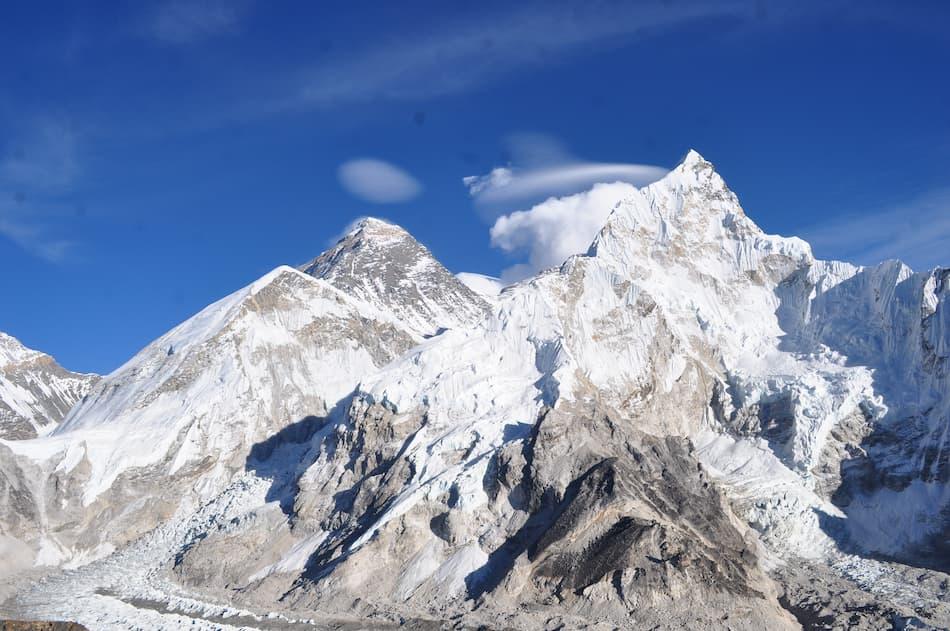

Affordable 14-day Everest Base Camp Trek in Nepal with expert guides and the best itinerary. Join Mission Summit Treks for an unforgettable EBC trekking.
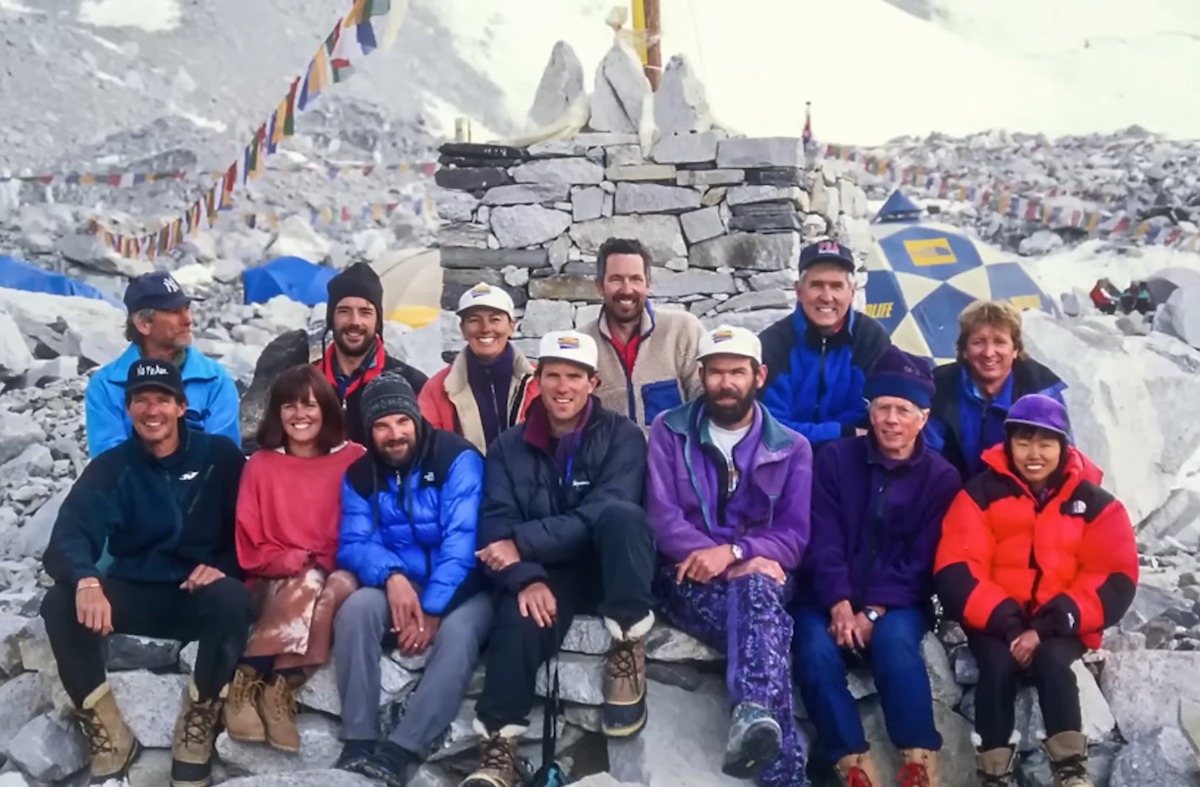
The 1996 Everest disaster is one of the most discussed tragedies in the history of mountaineering. The expedition occurred in the spring season; there were 14 expedition teams with 240 climbers and Sherpas at the south base camp to reach the top on that season. Despite the 14 teams, only two teams (Adventure Consultant and Mountain Madness) faced the disaster above 8000 m. Altogether 12 people died in a single season. It is the 3rd deadliest season on Mount Everest to date. This article explains the consequences of Rob Hall and the Fischer group based on the story of John Krakauer in his book “Into the Thin Air.” The book explains the real story of disaster to the world. As John Krakauer was a team member of Adventure Consultants, led by Rob hall. He summitted the Everest and closely visualize the changing weather, delay on summit and critical circumstances that claimed 5 climbers in a day.
The expedition groups that lost clients in the 1996 Mount Everest disaster are:
Among these, the first three expeditions were from the South Col, and the last one was from north col. Altogether 8 climbers lost their life during summit push ane climber died before reaching Camp 4. Six climbers could not return from south face and three from North face.
The fatalities from south face and North face of Mount Everest on May 10 – 11, 1996 disaster:
| Name of expedition team | fatalities | Gender | Location of death |
| Adventure consultants | Robert Edwin Hall (expedition leader) New Zealand guide | M | Died on the south summit |
| Andy Harris (guide with the New Zealand based commercial team) | M | Lost near south summit | |
| Doug Hansen (postal worker from Seattle) | M | Disappeared near south summit | |
| Yasuko Namba | F | Died on south col | |
| Mountain Madness | Scott Fischer (expedition leader) | M | Died on south east |
| Indo Tibetan border police | Tsewang Samanla (summit team leader) | M | Lost on north col |
| Lance Naik Dorje Morup | M | Lost on second step | |
| head constable Tsewang Paljor | M | Lost on second step |
Note: Chen Yu Nan from Taiwanese team lost his life on Camp 2 due to falling on Lhotse Face on May 9.
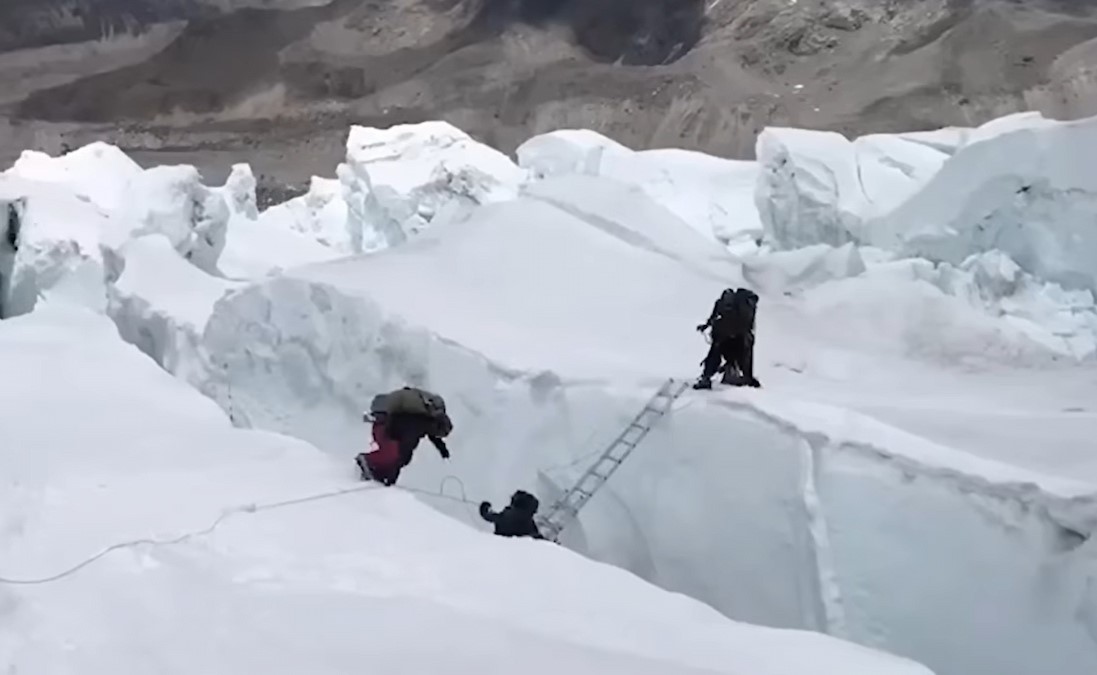
The entire team of Rob Hall and Fischer reached Everest base camp on April 10, 1996. They did a one-day round trip to Camp 1 and returned to base camp on April 13 for acclimatization. The team keeps on ascending and descending. They spent four nights at camp II (21,300 ft.) and one night at camp III (24,000 ft.). After then, the entire team descends to base camp to regain their strength for the summit push on May 1.
The team leader, Rob Hall, had planned that May 10 would be their summit day. He chooses that date based on his experience and prediction to get the most favorable weather of the year. Scott Fischer was also selected the same day. Both teams left camp II on May 8 and reached camp 4 on May 9.
The 16 members: three guides (Hall, Harris, and Mike Groom); Sherpas (Ang Dorje, Lhakpa Chhir, Nawang Norbu, and Kami); clients (Hansen, Namba, Weathers, Stuart Hutchison (a Canadian doctor), John Taske (an Australian doctor), Lou Kasischke (a lawyer from Michigan), Frank Fischbeck (a publisher from Hong Kong), and John Krakauer (an American writer) from Adventure Consultants; and 14 members from Mountain madness: guides (Fischer, Boukreev, Neal Beidleman), five Sherpas and clients (Charlotte Fox, Tim Madsen, Klev Schoening, Sandy Pittman, Lene Gammelgamsaard, Martin Admans left the camp 4 at 11: 35 PM, May 9. Along with two teams, Taiwanese named Makalu Gau also continues his climb towards death zone.
The team aimed to reach the Summit at 1:00 pm. The delay in rope fixing at Hillary steps was crucial mistake before reaching summit. Similarly, Traffic jam in Hillary step also lag climbers to reach summit on time. The inclement weather started at 3:00 PM. The full scale bizzard increased difficuties for climbers.
The disaster of 1996 was unexpected, but it taught every climber to decide summit push based on weather conditions. If all members had reached summit before 1 PM as planned by Robert Hall and returned on time then everyone could be in safe place before the storm. It gives message to all climbers to return down if the estimated time frame is exceeded. We can ascend on next day but if we lose our life then next morning will never come.
1996 Mount Everest disaster is the deadliest event that killed the most popular expedition leader, Robert Edwin Hall, on his 8th expedition. The reality of disaster was explained by American writer and mountaineer John Krakauer, who was a member of the 1996 expedition. He climbed Mount Everest before 1:00 PM and reached the safe place before the bad weather. Six clients died on the south face, and three climbers died on the northern face of Mt. Everest. Besides climbers, porters also loss their life. There was time lag, humanity, promises, trust that developed a scenario for death southern slope. The unexpectedly changed weather on Chomolongma turned expedition into disaster.
...