.
Punam Phuyal
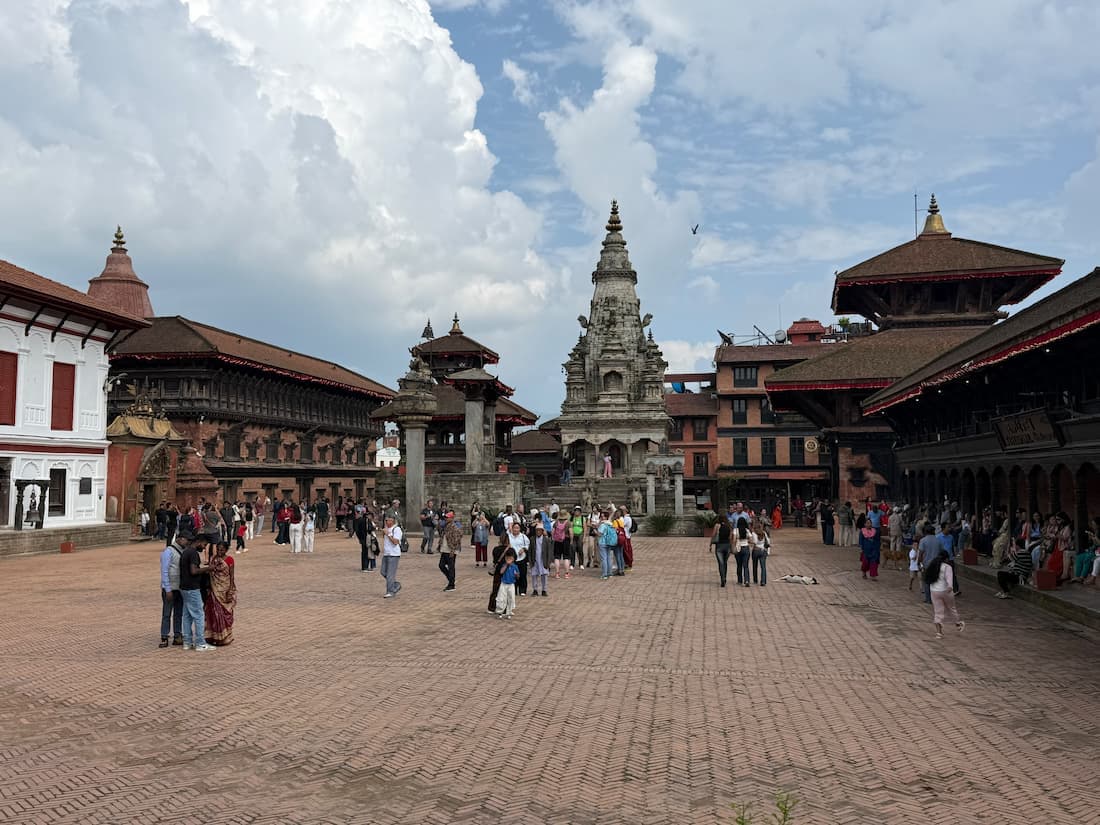

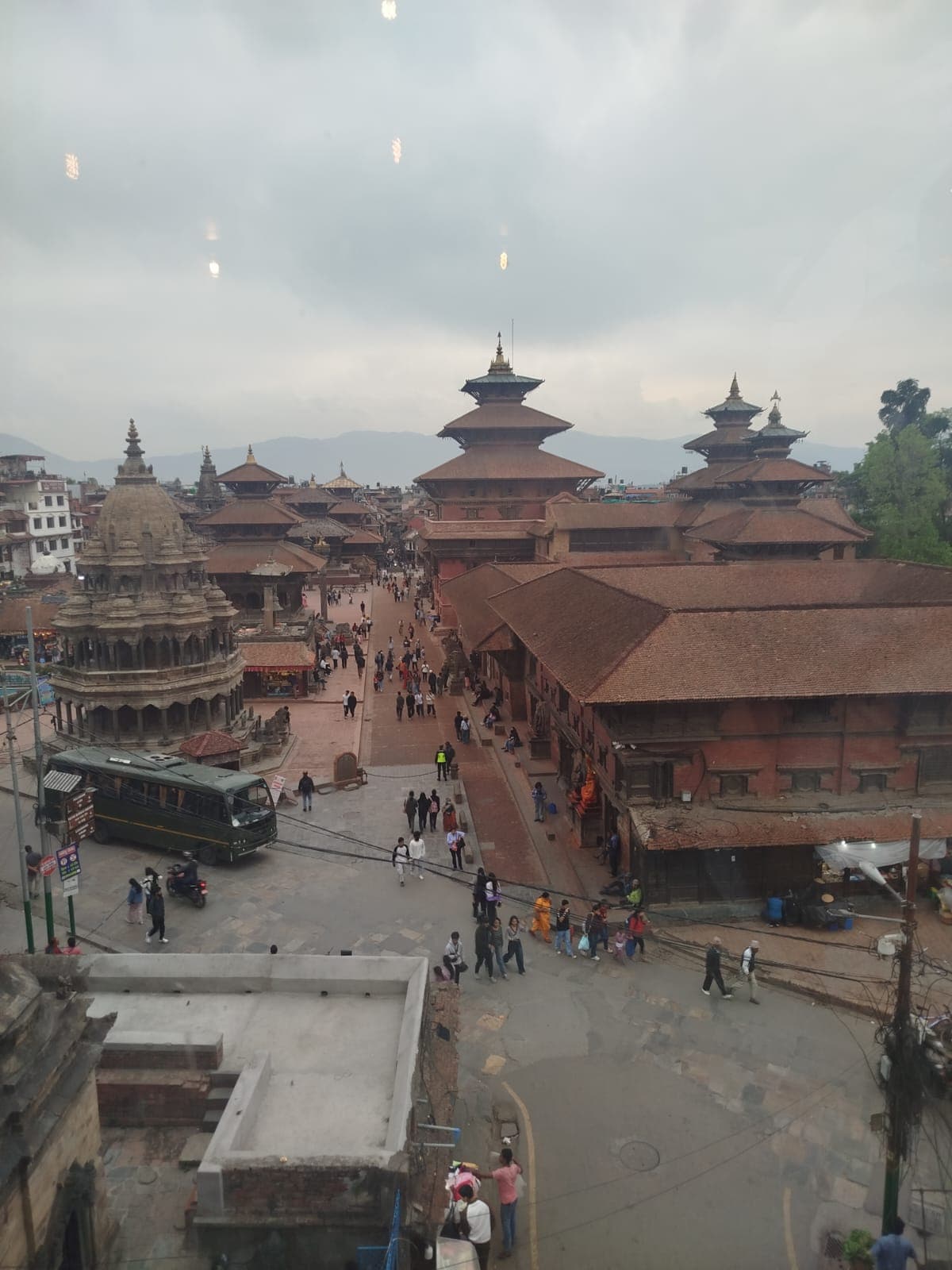
Summary: Bhaktapur is the smallest district of Nepal. It is 12 km west of Kathmandu. The city of devotees is also called Bhadgaon, the rice village, or Khowpa in Newari. The city served as the capital of the Malla Kingdom until the 18th century. The indigenous Newari community are the major citizens of the area. Bhaktapur is divided into two centers, the lower town around the durbar & Taumadhi square and the upper town around Dattatreya square, connected by a network of streets. The entire city is rich in traditional Newari culture. We can see traditional houses with brick pavement.
This article aims to give detailed information about Bhaktapur Durbar Square, which will be a milestone for tour guides, travelers, and researchers. It will be useful for students and explorers who are interested in the history, culture, and tradition of Nepal.
Bhaktapur is the city of devotees where the human settlement began in the Neolithic era. There was a dense population of Kirati, and the place was named Khoparing, and still the name Khopa is popular. The human activities have been seen since the 2nd century. It was an administrative center in the Lichhavi period. The kingdom was established in the medieval period, 11/12th century, by Ananda Dev. He built the palace and city and developed the art of gods and goddesses in the area.
Malla Kingdom was established in the 13th century, and Bhaktapur was their capital. The Malla kingdom of Kathmandu was divided in 1541 B.S., and two kingdoms, Kantipur and Bhaktapur, came into existence.
King of Bhaktapur and their ruling period:
| SN | King of Bhaktapur | Ruling period in BS |
| 1 | Raya Malla (first King) | 1538 - 1567 |
| 2 | Jaga Jorati Malla | 1670 - 1693 |
| 3 | Naresh Malla | 1693 - 1700 |
| 4 | Jagat Prakash Malla | 1700 - 1729 |
| 5 | Jita Mitra Malla | 1729 - 1753 |
| 6 | Bhupatindra Malla | 1753 - 1779 |
| 6 | Radjit Malla (last King) | 1779 - 1826 |
The monuments of Bhaktapur Durbar Square, which are in existence, were built in the period of Jagat Prakash Malla, Jita Mitra Malla, Bhupatindra Malla, and Radjit Malla. After 1826 BS, the state was attacked by Prithivi Narayan Shah and unified into a great kingdom, Nepal. After that, the palace was turned into a Durbar square. It was listed as a UNESCO World Heritage Site in 1979 AD.
Bhaktapur is located at 27.674783°N and 85.427379°S, Kathmandu Valley, Bagmati Province, Nepal. The city was founded by Ananda Deva in the 11th century. The settlement of the Lichhavi dynasty was in existence before the foundation of the city.
Bhaktapur Palace is the oldest palace among Patan and Kathmandu. It is the most preserved city, started by Ananda Dev in the 11th century. Many monuments of Bhaktapur Durbar Square were damaged in the 1934 & 2015 earthquakes. The renovation has followed the same architecture and materials to make it as the same as it used to be. We will see the group of temples in the south representing four Dham (Jagannath, Kedarnath, Badrinath, and Krishna temples) as we enter from the main gate of the square. The major monuments of the durbar are as follows:
The palace complex lies on the north. It was built by the Malla king, and the expansion of the area continues until the unification of Nepal. The palace was founded by Yakshya Malla in the 15th century. However, the largest part of the building was made by King Bhupatindra Malla. The first part of the palace can be reached through a small gate, which has been occupied by the heritage unit of the municipality. There is an attractive pond in the interior courtyard of the house.
Traditionally, it is the place with 99 courtyards, but most of them are not in existence, maybe due to decreasing political significance and destruction from earthquakes. The major courtyards of Bhaktapur Durbar Square are
The Malati Chowk was built by Bhupatindra Malla in 1707 AD. The courtyard has been converted into a national art gallery containing paintings, manuscripts, and stone sculptures. The gallery was established in 1960 AD.
The Bhairav Chowk, also called Sadashiv Bhairav Chowk, is inside the golden gate. It is one of the only remaining courtyards accessible for visitors. This chowk leads to the Naga Pokhara, also called Naga Phuku in Newari, Mul Chowk, and the Taleju temple.
Naga Pokhari is an amazing water reservoir surrounded by brick lining. We can see the head of Vasuki, the snake king, in the center of the pond. It was established by King Jagajyotir Malla in the 17th century. The stone tap on the side of the pond has uneven patches that absorb various sound frequencies and prevent echoes and allow the king to listen to musical performances in the area without distortion.
Mul Chowk is located inside the Golden Gate. It was established in the 14th century. We should pass through Bhairav Chowk and Nag Pokhari to reach the Mul Chowk. It houses the Taleju temple, the tutelary deity of the Mallas, which was brought by the queen of Harisingh Deva of Simraongad after being attacked by Muslims. This place is only accessible for Hindus due to the presence of the Taleju temple.
Popular courtyards that are no longer in existence are:
Kumari Chowk is away from the main palace ground. It was constructed by Jargajyoti Malla. Its existence is related to the time of 99 Chowk. Currently Kumari House of Bhaktapur is located in Dipankar Bahal in the north section of Bhaktapur.
It was built in the memory of Kirti Mall, the son of King Jargajyoti Malla, in 1143 AD. The Shivalinga was fixed in the courtyard, and Guthi was organized to offer five clay shivalinga daily. Later on the area turned into debris. The Mahadev temple was changed into Malati Chowk.
Ganesh Chowk
Yama Dwar chowk (the courtyard with the golden gate)
Lohiti Chowk
Basantapur Chowk
This is the most beautiful temple of the Durbar Square. It dates back to 1757 and is dedicated to Lord Krishna, the form of Bishnu. We can see the amazing wooden craft that depicts the scenes related to the 10 incarnations of Lord Bishnu. The Garuda statue guards the temple from its yard.
The Golden Gate is located exactly at the opposite of the pillar of King Bhupatindra Malla. It is also called sun dhoka or lun dhavaka in Newari. It was built at the time of King Jaya Ranjit Malla in 1754 AD. The magnificent art of this gateway is an example of metalwork in Nepal. The torana features the image of goddess Taleju with three heads and numerous hands and two attendants on her side. Above the torana, we can see fine art of Garuda, serpents, dragons, and reptiles that are believed to be the protectors of the goddess. As we enter from this gate, we will reach the Bhairav Chowk, and the next gatehouse is home to two huge drums covered with elephant skin.
This palace is the main part of the palace complex. It has been completely renovated by the Department of Archaeology and the Bhaktapur municipality after being damaged due to the earthquake of 1934. According to historical data, this palace was remodelled by King Jitamitra and his son Bhupatindra Malla in the late 17th century. There were 55 carved windows on the second floor, which are considered the finest wooden carvings to welcome the king. Two windows have not been recovered after damage in the building. The toranas of each window are decorated by gods, goddesses, and mythological beasts. There is an audience hall behind the ornate façade.
We can see an amazing wall painting that depicts the different stories of Mahabharat and Ramayana with the central figure of Vishnu on the first floor.
The pillar is in front of the Golden Gate. We can see the statue of King Bhupatindra Malla sitting on the lotus capital with folded legs, a serpent supporting the capital with a small bird on the top of the head.
The huge bells are found in all three squares. The bell has multiple uses, like alarm during the time of distress, notify the population of important events or discussions, and pay homage to the fearsome goddess Taleju. It was established in 1737.
This Shikhara-style temple was constructed of sandstone and built upon a three-stage plinth. It is dedicated to Batsala Devi, a form of goddess Durga. It was built by King Jitamitra Malla in 1696 and reconstructed by King Bhupatindra Malla in the 17th/18th century. It resembles the famous Krishna temple of Patan Durbar Square but is smaller in scale. The lower plinth consists of a small bell called a barking bell, as it is believed that every time the bell rings, dogs start howling.
It was built during the 17th century by King Jitamitra Malla for the purpose of a rest house. The place was destroyed by an earthquake in 1934 AD and reconstructed by using modern materials such as concrete and steel.
It is located in the south of Chyasalin Mandapa. The temple is also known as the Yaksheshvar temple and is the oldest surviving temple in the square. It was built by Yaksha Malla in the 1480s. The inner sanctum consists of a large four-faced Shiva lingam that resembles the statue of Shiva Linga in Pashupatinath, Kathmandu. The roof struts are carved with erotic scenes.
The Taleju Bhawani temple is the oldest temple of the Bhaktapur Durbar Square. The temple was built after the Deval devi came from Simrangad with her family. She brings the statue of Taleju Bhawani with her and established the temple in Mul Chowk.
The Taumadhi square appears open and quiet. The dominating Nayatapol temple is the tallest building in Bhaktapur with five roofs and five plinths. The steps to the temple are flanked with the guardian figures: Jayamala & Phatta, elephants, lions, and Singhini and Byahagrini from base to top, respectively. It is believed that each pair of guardians is ten times more powerful than the pair below. The Nayatapole temple was built in 1702 AD by King Bhupatindra Malla.
The temple was built by king Jagajjyotir Malla and restored by Bhupatindra Malla by adding two stores on it. Bhairavnath is taken as the protective god of Bhaktapur.
Nayatapol is technically strong temple of Bhaktapur durbar square. It is 108 ft in height. There is the statue of Siddhilaxmi in the inner sanctum. This temple has five stores. The meaning of Nyyata is five in Newari language. It was built at the time of Bhupatindra Malla.
The place to stay for yogis related to Shaiva rites. It is located next to the famous Bhairavnath temple and Nyatapol temple. Betal refers to vehicle of lord Bhairav. The open area infront of this pati is used as a stage for sacred dances during festivals like Indra jatra.
It is Nepali style temple built in 11/12th century. The temple is in inner courtyard infront of Natapol. People worship this temple to have the blessings of having a child. There used to be a great festival in the temple during the occasion of Janai purnima and Madhav Narayan festival in Bhaktapur.
Pottery square refers to the famous pottery industry of Bhaktapur. It lies near to Taumadi square where we can observe the way of making pottery live. Even we can try by ourselves to make the different shapes and size clay items. There are various shops selling the various designs of clay.
Jal Droni
Jal Droni was built in 17-18 century for water storage.
Chaturbrahma Mahabihar
It is one of the important bihar where we can see the inscription of Yakshya Malla’s son.
Fasidega/SiluMahadev
This temple has been bulit after 72 years of its distruction. The design was known after seeing the photo of the temple. It is mountain style temple of Lord shiva.
Narayan temple
The temple located in the east of Shiva temple. It is shikhar style temple of Lord Bishnu also known as Narayan. It was built in 17-18 th cenury at the time of Bhupatindra Malla.
Siddhi Laxmi/ Annapurna temple/red temple
This temple is in western side of Shiva temple. It is the temple of Sakta sect on which Siddhi Laxmi is well-known. The temple was built in 17-18 century.
Stone temple of Siddhi Laxmi
It is Sikhar style temple built at the time of Nagat Prakash Malla.
Harishankar sattal/ L shaped sattal
It is a place made for traveler and pilgrims to stay overnight at ancient time. It was built at 17/18th century.
Laping dega
It was built at 17/18th century. There are two lions infront of this monument.
It is one of the biggest historical complexes. It is surrounded by seven maths, the place to stay for Hindu priest. Pujari math was the most important math where herbal medicines used to be produced in the past. Presently, those maths have been transformed into museum or shops. There is amazing peacock window just behind where the priest stays.
The amazing Peacock window is in the eastern side of pujari math. It was established in 14 -15th century. The carving of peacock in the center is an iconic wooden art resembling the perfection of artist.
The complex is named after the name of this temple. It is a temple where unity of three god: Brahma, Bishnu and Maheshwor can be seen in single statue.
It is a museum of wooden and metal art. The maoth is most popular among hindu priest started and started by Gurubatshya. It was built at 14 -15 century.
Bhimsen temple is the biggest temple of Dattatraya complex built in 16th – 17th century. Bhimsen is considered as the protective god. There is a stone tap just behind the temple.
Bhaktapur is famous for:
How to enter Bhaktapur durbar square?
We can enter the Bhaktapur durbar by taking the permit from municipal ticket counter located at the left of main gate. The cost of permit is NRs. 1800 for foreigners and NRs. 500 for Chinese and SAARC nations.
What time is Bhaktapur durbar square open?
Bhaktapur durbar square is open 24 hours a day as it is an open public square. The museum and main entrance entry remain assessible from 7 AM to 7 PM.
What is the distance form Kathmandu to Bhaktapur?
The road from Kathmandu to Bhaktapur is 13 to 15 km based on road access.
What food can we try in Bhaktapur?
The food we can try in Bhaktapur are:
What is the cost of Bhaktapur tour guide?
The cost of Bhaktapur tour guide varies on group size.
Who can visit Bhaktapur Durbar square?
Any people of the world can visit Bhaktapur durbar square. It is the best place to explore the historic beauty of Nepal. It is the best tour destination for foreigners comming from different part of the world. Similary, old aged people, students, explorer, researchers, architectural can visit this place to gather the knowledge about the traditional art and beauty of Nepal.
What is the transportation cost from Kathmandu to Bhaktapur?
The transportation cost from Kathmandu to Bhaktapur is 35 USD. The cost includes pickup and drop.
Is Bhaktapur worth to visit?
Yes, Bhaktapur is worth to visit. We can have the best opportunity to explore the historical monuments, Newari culture and attractions of oldest city of the country.
What are the famous festivals in Bhaktapur?
Is Bhaktapur safe for tourist?
Yes, Bhaktapur is safe for tourist. It is one of the best destinations to enjoy the ancient architecture, historical places and newari culture in Nepal.
What is the old name of Bhaktapur?
The old name of Bhaktapur is Bhadgaun.
What is the english meaning of durbar?
The english meaning of durbar is palace.
Best five things to do Bhaktapur
Bhaktapur entry permit
Bhaktapur entry permit is available in the entrance gate of Bhaktapur durbar square. The permit is provided by municipal ticket counter.
We can visit Bhaktapur durbar square throughout the year. It is open whole year and visit on day time is perfect as we need around 1.5 to 2 hours to reach Bhaktapur from Kathmandu. There will be more crowd in festival time. Thus, crowd lovers should choose festival time whereas peace lovers should avoid the festival time to visit the durbar square.
Mission Summit treks & expedition offers an amazing Bhaktapur tour with experienced tourist guide. We will arrange a private car from Kathmandu to Kathmandu. Covering all destinations such as Durbar square, taumadi square, pottery square and Dattatreya square, we will give enough time to taste the Newari cushion as well.
Bhaktapur durbar square is an historical icon of the smallest district of Nepal. it is the best place to explore the metal art, wooden carving and pottery. The ancient architecture exposes the historical significance of the place. It is a protected area that fulfills the desire of being on the beautiful place of the city. If you are also interested to visit this place then we will organize a day tour to Bhaktapur. We can also do side trip to Nagarkot and Changunarayan from this place.
...