Punam Phuyal
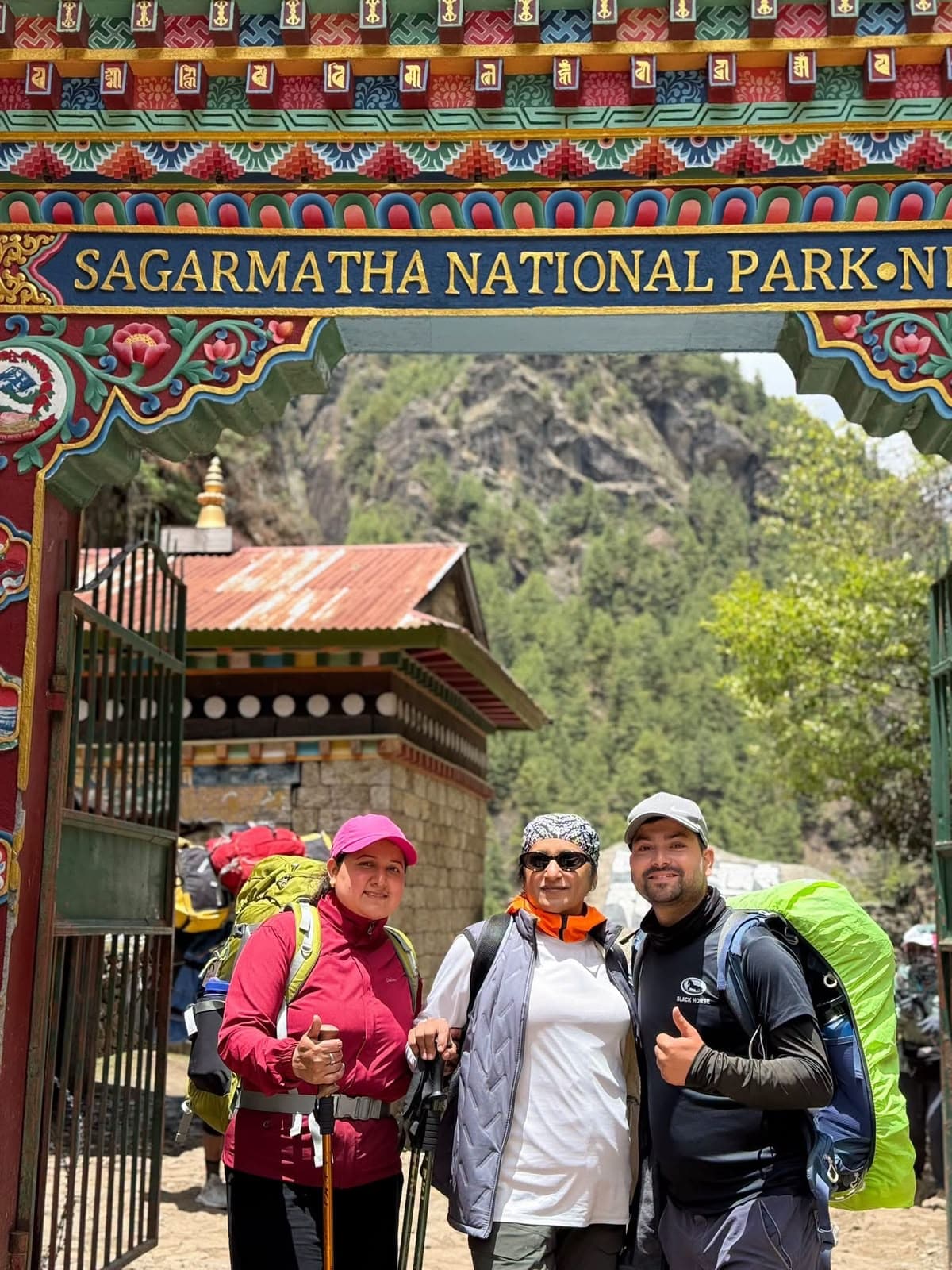

Sagarmatha National park
Sagarmatha National Park is one of the most important protected area in Nepal that plays a significant role in conserving the natural beauty of Everest region. This amazing area is expanded from 2845 meters to 8848.86 meters above sea level in Solukhumbu district, Koshi Province Nepal. It was established in 19 July, 1976 AD after being announced at worldwide fund’s (WWF’s) 3rd international congress in Bonn, Germany in 1973 AD. The park aims to protect the Sherpa culture, Everest ecosystem, watershed, snowcapped peaks and entire landscape within its territory. It is spread in an area of 1148 square Kilometer. This, article is a detailed information of Sagarmatha national park that will be helpful for gathering information on national park, its importance, facts and reason to visit the place before planning a trek or expedition in this region.
The amazing natural phenomenon, unique Sherpa culture, diverse landscape and Buddhist tradition within this national park was recognized worldwide and inscribed in UNESCO World heritage Convention in 1979 AD. The buffer zone of this park was declared in January, 2002 AD which covers an area of 275 square km. Beside forest and mountain, The Gokyo valley and its associated lakes was declared as wetlands of international importance under Ramsar Convention in 23rd September 2007. Thus, this national park is very important due to presence of the highest peak in the world, highest fresh water lake, diverse flora and fauna, peerless culture and landscape.
For trekkers, climbers and travellers, Sagarmatha National park is much more than the protected area including Mount Everest. It is amazing landscape though which travelers trek to most popular Everest base camp, Gokyo valley, Three passes, Ama Dablam base camp and many more destinations of Khumbu region.
Sagarmatha NP is the most beautiful park where we can explore natural scenery of divine mountains, rivers, lakes, forest, villages, pastures, and alpine meadows. Millions of travelers visit this area to enjoy their holidays and retain from busy life.
The quick facts are tabulated below:
| SN | Facts | Information |
| 1. | Location | Solukhumbu district, Koshi Province, eastern Nepal |
| 2. | Region | Khumbu/Everest region |
| 3. | Established date | July 19, 1976 |
| 4. | Area | 1148 square Kilometer |
| 5. | Listed as UNESCO world heritage site | Since, 1979 |
| 6. | Highest elevation | 8848.86 m, Mount Everest |
| 7. | Ethnic community | Sherpa |
| 8. | Popular activities | Trekking, mountaineering, research |
| 9. | Major glaciers | Khumbu, Imja, Ngozumpa and Nangpa |
| 10. | Major rivers | Dudh Koshi, Imja Khola, Bhote Koshi |
| 11. | Wetland | Gokyo valley and its associated lakes |
| 12. | Headquarter | Namche Bazaar |
| 13. | Major mountain peaks | 25 or more peaks above 6000 m Five peaks above 7000 m and below 8000 m: Baruntse, Nuptse, Pumo Ri, Gauchung Kang, Nangpai Gosum Three peaks above 8000 m: Mount Everest, Lhotse, Cho Oyu |
How to we get to Sagarmatha national Park?
We can get to Sagarmatha national park by trekking to its entrance located on Monjo village. We should either take flight to Lukla or drive to Surke and trek around 2 hours to reach Lukla, the gate way to Everest region. There are different routes leading to Lukla. After reaching Lukla, we should trek to Phakding and then to Monjo where we should get our permit to enter the national park.
Beside Surke and direct flight, traditional route from Jiri also takes us to Lukla and then to Monjo village, the entrance of Sagarmatha NP.
Why is Sagarmatha national park famous?
Sagarmatha national park is famous due to presence of highest peak in the world, deep valleys, several rare species (snow leopard, lesser panda), high altitude lakes, rivers and diverse landscape. The distinctive Sherpa community, ancient monasteries and breathtaking view of Mahalangur himal range are major entities behind its popularity.
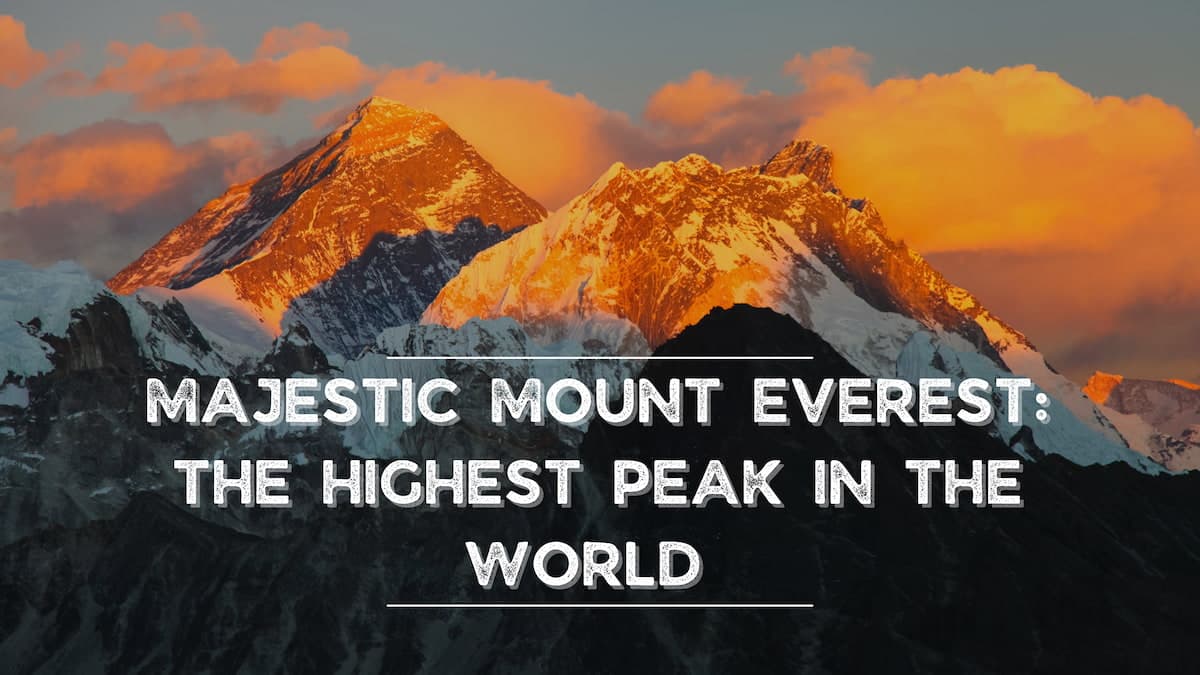
Mount Everest/Sagarmatha/Chomolungma is located in Sagarmatha national Park. Being a world’s famous and highest mountain, it attracts millions of trekkers and climbers to step on base camp and summit respectively. Every person interested in hiking and mountaineering wants to know about this mountain and which directly increase the popularity of National park as well.
The Khumbu region offers adventurous trekking route to Everest base camp, Everest three passes and Gokyo Cho la pass that lies within SNP. The entire region is trekking hub with dramatic view of mountains, rivers and landscape. The most popular trekking in this national park are:
Beside trekking, it offers mountaineers for both beginners and experienced trekkers:
Mountaineering for beginners:
Mountaineering for experienced climbers:
Along with the richest cultural and natural beauty, the national park offers the biggest opportunities for elevation gain, growing the mountaineering carrier. It is the employment sector of numerous guides and porters. The movement of people during peak season increase the income of local people, tea houses and indirectly benefits the nation.
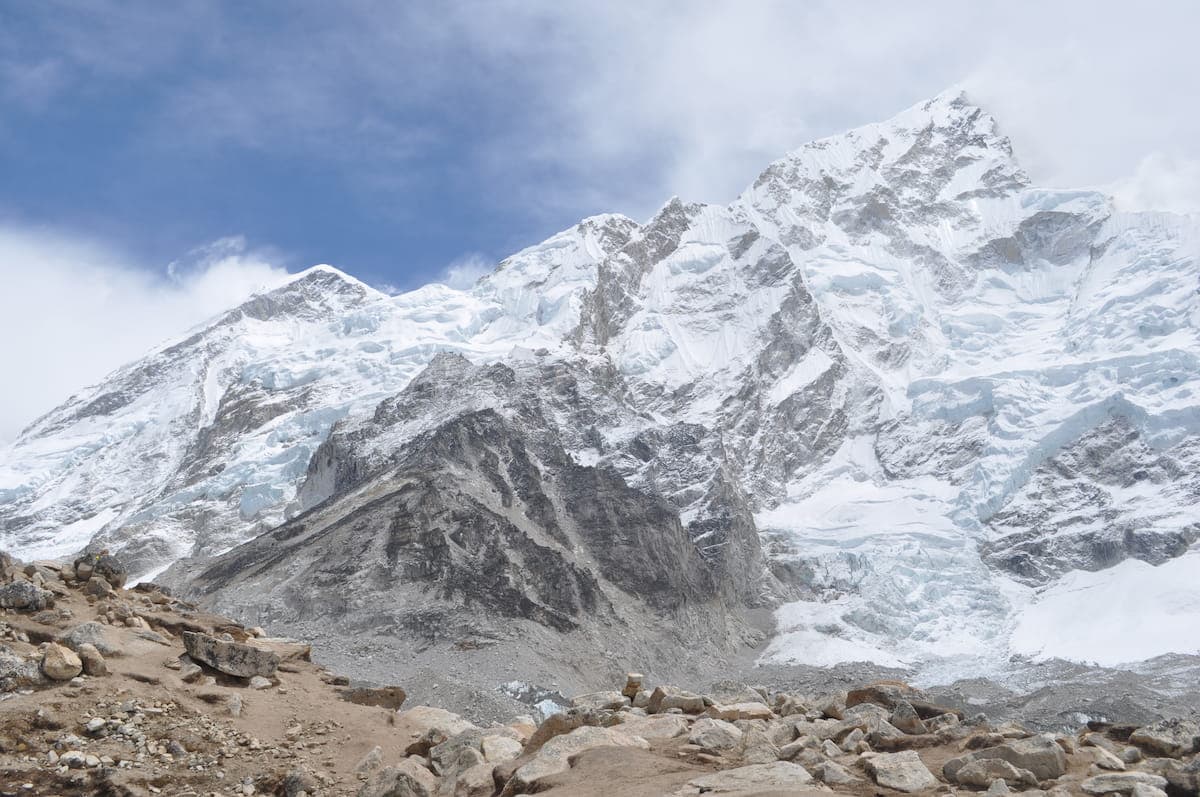
There are more than 25 peaks above 6000 meters in this national park among which five peaks are 7000 m – 8000 m and three are eight thousanders: Everest, Cho Oyu and Lhotse.
Mountains peaks above 7000 meters in Sagarmatha NP are: Baruntse, Nuptse, Pumo Ri, Gauchung Kang, Nangpai Gosum.
The Khumbu glacier, Khumbu ice fall, Imja glacier, the longest Ngozumpa glacier and Nangpa are the major gaciers that feeds downstream rivers and store large amount of water in the form of snow.
Dhudh Koshi flowing from Ngozumpa glacier, Bhote Koshi flowing from Nangpa glacier, Lobuche Khola flowing from Khumbu glacier and Imja river flowing from Imja glacier are major rivers with large volume of water that serves as water resources in downstream. The burble of water and its ecosystem adds beauty to the national park.
Sherpas are the pride of the mountain. They have a unique culture and tradition that plays an important role in protecting the diversity of the region. They follow Tibetan Buddhism. Hunting and killing animals is strictly prohibited in the Khumbu region following their culture. There are different Sherpa villages such as Monjo, Namche, Khumjung, Khunde, Thame, Pangboche, and Pheriche within this national park.
Sagarmatha NP is rich in biodiversity. It is home to rare animals like snow leopard, red panda, musk deer, Himalayan Tahr and Himalayan wolf. Similarly, Himalayan Monal, blood pheasant, and yellow-billed chough are some rare birds found in this region. Yak, horse, mule, Himalayan goat are some common animals found in this site.
There are Diverse flora in national park that varies from elevation zone.
...