Hiranya Varna Mahavihar
Punam Phuyal
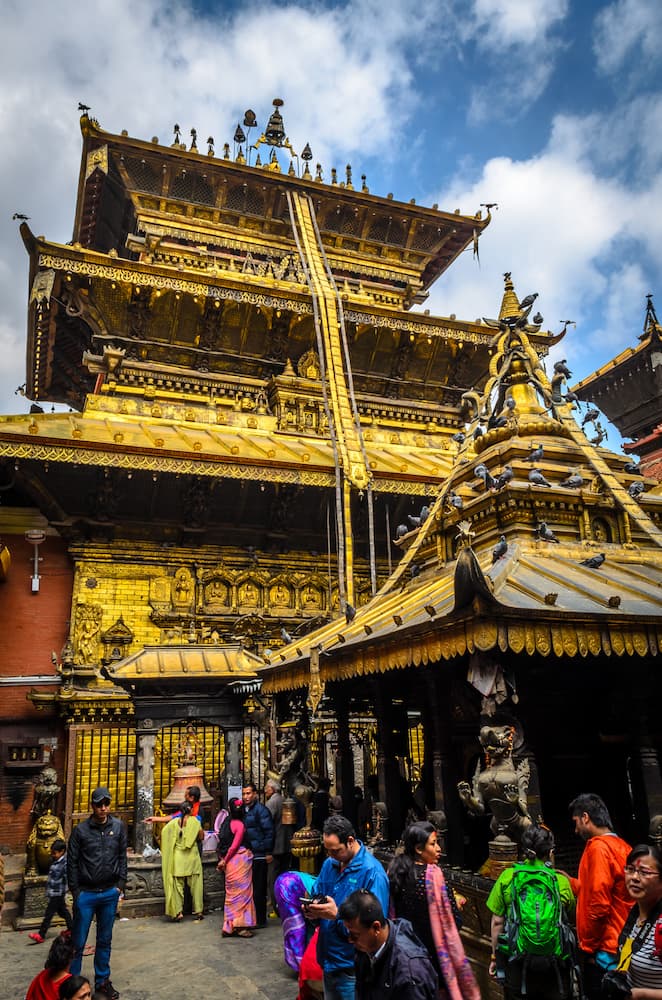
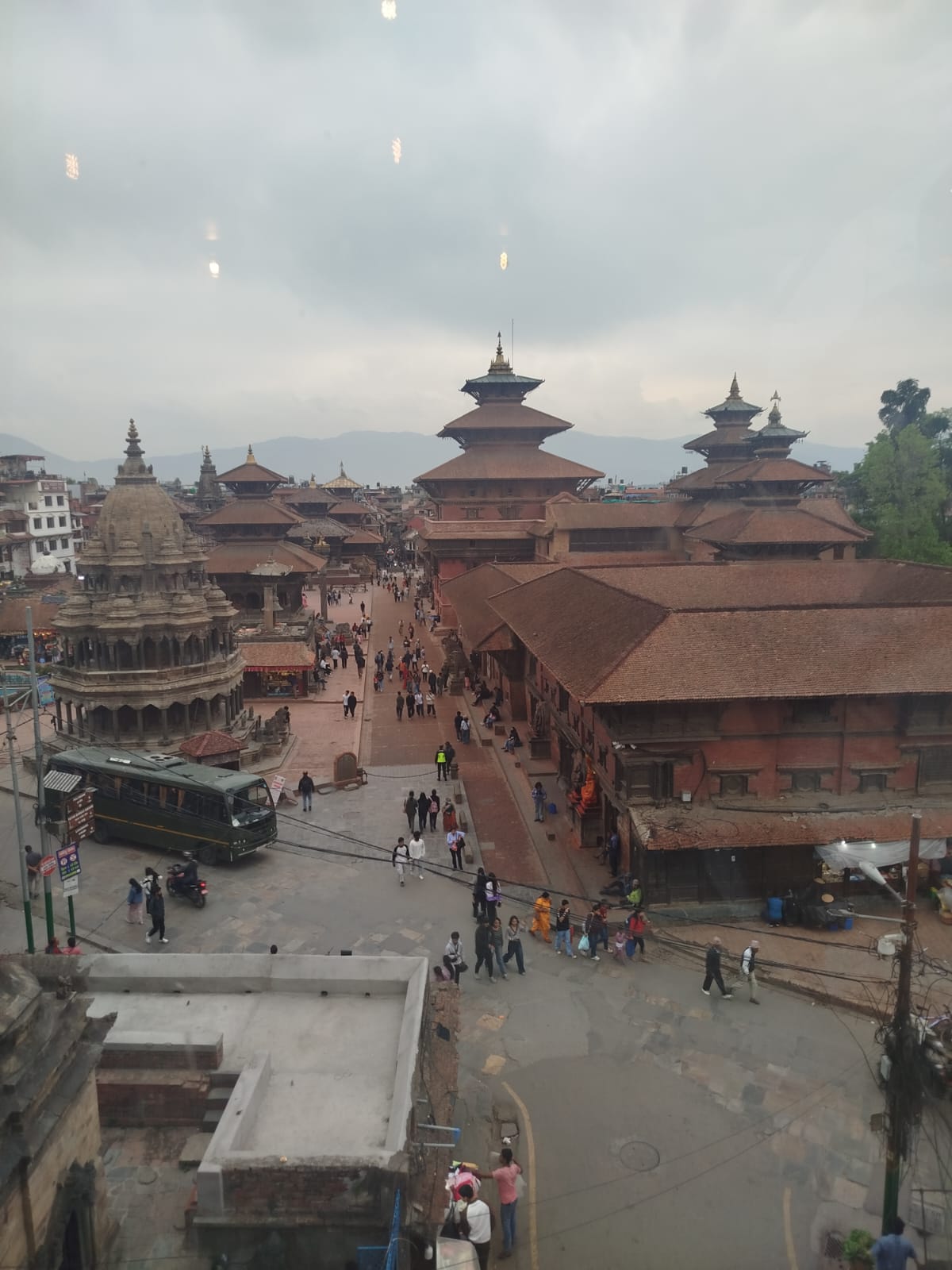
Hiranya varna Mahavihar, also known as Kwa baha in Newari or Golden temple or Suvarna Vihar, is the most vibrant and blissful temple in Nepal. It is near Patan Durbar Square and one of the important places to visit whenever we reach Patan. This article is a brief piece of information related to monuments nearby Patan Durbar Square. The temple is a historical monument decorated with Buddhist art and architecture.
What is the history of Hiranya Varna Mahavihar?
The Golden Temple is a 11th-century monument related to Buddhism. The temple was established in 1045 A.D. during the period of King Bhaskara Deva Varma. It was reconstructed in a different time period to make it more attractive.
The temple was decorated and became more embellished after two families became rich through trade activities with Tibet. The one family gilded the lower roofs, and the second family decorated the third roof.
Golden temple
The golden temple is a three-stage structure covered with gilt copper, which gives it a golden appearance. We can see a silver tympanum with the figure of Panchabuddha and Tara on the door, which is similar to the gilded copper torana over the doorway. The roof of the temple is supported by carved struts. We can see the decoration related to the life of Buddha.
The gate of Hiranya Varna Mahavihar is guarded by two huge stone lions and painted with images of Bhairav. There is a reception office, and beyond lies the main courtyard where Shakyamuni Buddha is worshipped.
The primary entrance of the temple is beautiful with the vajra on a circular base, Swayambhu, and Vasuki (the king of the Nagas). We can see four doors with torans and dharmadhatu (mandalas) dedicated to Majushri (the Bodhisattva of wisdom). The carved lotus on the northeast corner of the courtyard makes the temple more beautiful. We can see many chapels (rooms) on the ground floor dedicated to Tara on the left, the Tantric deity on Vajrasattva on the right, and Namasangiti (a form of Avalokiteshvara) next to the reception room. The courtyard is well decorated, and it leads to the open space with a well and a chaitya.
Swayambhu Stupa
The Swayambhu stupa is located in the center of the courtyard, which is believed to be older than the golden temple. There are four doors with torana, and only one door opposite to the main shrine remained open. There are images of 12 Lokesvara images and four Buddha sculptures around the stupa. Each corner of Stupa is protected by metal leogryphs. We can see the images of snakes on the gilted roof.
Child priest
The main priest of the temple is a child who is a young boy under the age of 12. The priest serves for a month and hands over the most sacred religious rites to another young boy.
Story behind the young child priest
Nobody in Patan could venture out of their homes during the war between two great kingdoms of the Kirants and Lichhavi, due to which no one could worship on the temple. The regular Puja was stopped. After that, one of the Buddhist families from Yala (Patan) decided to send their child to wash the statues and worship to continue regular rituals in the temple.
The child went to the temple carefully by hiding from the soldiers and set a pot of water in the door. He thought Buddha would wash himself. He called the lord repeatedly and cried due to heartbreak. Afterward, God took pity on the child, and he washed himself, and the tradition of child priests continued. Since then, the temple has been worshiped by young child priests.
Conclusion
The Golden Temple is the most beautiful temple with historical importance. It is a Buddhist monument where we can see amazing sculptures, statues, and images of Buddha and different Bodhisattvas. It is one of the nearest temples to Patan Durbar Square, which is the attraction of Patan. It is the best place to visit during the Kathmandu day tour.