Punam Phuyal
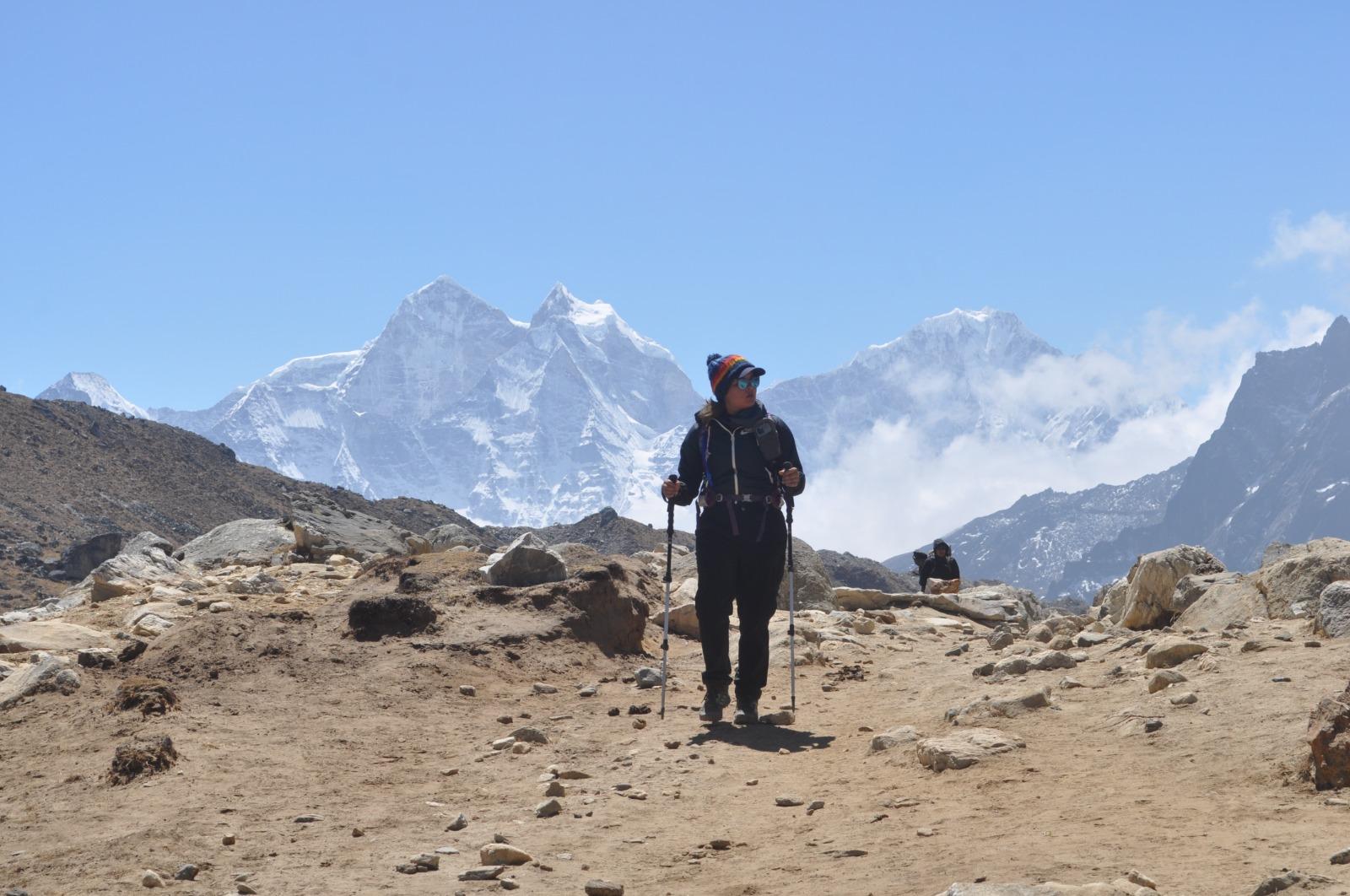

It is one of the most frequently asked questions before the Everest Base Camp Trek. It is uncertain whether you feel it is difficult or easy, but the reality of the difficulty is moderate. It encompasses uphill and downhill climbs, suspension bridges, wooden bridges, rocky trails, moraines, and high altitude as major challenges.
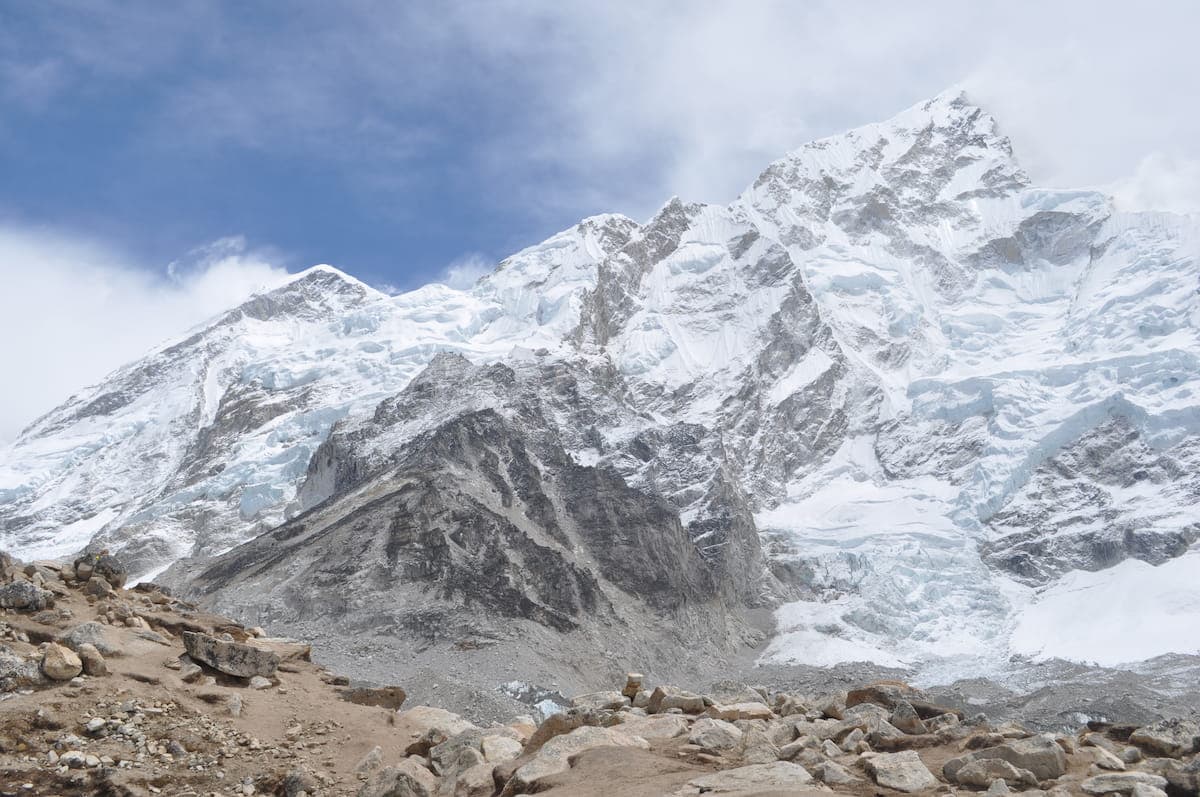
This is one of the best treks in the world. It is a 12-day journey where trekkers experience the great view of Mount Everest, Ama Dablam, Lhotse, Nuptse, and many more peaks of the Mahalangur range. The Sherpa culture, villages, and mesmerizing Khumbu landscape have attracted millions of trekkers.
It is a moderately difficult trek where we must face altitude sickness. The rising elevation and the low atmospheric pressure increase difficulty. There are a lot of challenges that can be overcome by proper preparation and carefulness.
Challenges:
Altitude sickness is one of the main difficulties of this trek. Not all trekkers face it — around 10% experience symptoms, of whom some get severe conditions while others recover fine as they return to lower altitudes.
Headache, dizziness, and difficulty breathing are major symptoms that signal Acute Mountain Sickness. The most important thing is to stay aware of changes in your body. Garlic soup, drinking plenty of water, and walking slowly are tricks to staying safe from AMS. Symptoms alone aren't dangerous — rest and a drop in elevation usually cure it.
How to prevent altitude sickness?
Weather is also a challenging part of this Himalayan journey. Cold nights at high altitude may cause headaches and make it difficult to fall asleep. Always carry a good sleeping bag to keep your body warm. Nights stay colder even though days remain sunny year-round.
Choosing the best season is very important so you can walk in moderate temperatures. Walking time isn't much affected by cold weather, since your body warms up while moving — it's the nights that turn cold from the air off the snow-capped peaks. A burning firewood heater helps warm the dining hall in the evening. Bring warm jackets and inner layers to insulate against the cold of the Khumbu.
The temperature profile of the region shows January as the coldest month, so it's best to avoid planning your trip then.
The route encompasses difficult terrain in particular places. The uphills from Phakding to Namche, and Lobuche to Gorakshep, increase your breathing rate. Higher altitude combined with sloping terrain is always a challenge for trekkers.
Normal accommodation is easy to find in the region. Private rooms are harder to get in peak season, so prebooking is essential — otherwise you may end up in a shared room. Limited luxury accommodation is also available for those who prefer more comfort, though it costs more, and attached bathrooms aren't available in Tengboche, Lobuche, or Gorakshep even at the luxury level.
Food options vary, but fresh produce is harder to come by at altitude. You can get Nepali thali, momo, noodles, spaghetti, chowmein, pizza, and different local Sherpa dishes.
This is a remote area with a lack of hospitals and medical facilities. Khumbu Hospital in Namche Bazaar is one of the few available. Serious cases require evacuation to Kathmandu. Tea houses can provide oxygen, which costs around $100 per hour. Weather plays a major role in how quickly a helicopter evacuation to Lukla or Kathmandu can happen, so following healthy habits throughout is important to reduce the risk of emergencies.
This is one of the major logistical difficulties. The Lukla flight only operates in clear weather, so a buffer day is essential — you may wait two or three days in foggy conditions before flights resume.
The route is the busiest trail in the region, and trekkers often have to wait their turn during peak season (September, October, November, March, April, and May). Mules and yaks carrying loads for tea houses and trekkers can slow your pace — you'll need to step aside and let them pass.
The full round-trip distance is 130 km from Lukla back to Lukla, meaning a minimum of roughly 14 km per day. Completing this within 12 days is itself a challenge — expect 6–7 hours of walking daily, except on acclimatization days in Namche and Dingboche.
Frozen pipelines at higher elevation mean you'll often rely on bucket water. Running water is available lower down, but it freezes at altitude due to the cold.
Yes, solo trekking is possible, but you should be ready to face all these difficulties without support. Booking tea houses, arranging the Lukla flight, securing permits, and organizing evacuation in a medical emergency are all things a solo trekker must manage alone. Proper trek preparation or a guide and trekking company makes this significantly easier.
The Everest Base Camp Trek is not a difficult journey for well-trained trekkers. With good preparation, it becomes comfortable rather than punishing. Altitude sickness remains an uncertain risk for both experienced and new trekkers alike, so staying careful and maintaining healthy habits throughout — all the way back to Lukla — is what matters most.
...